Smoking Cessation & Hypnotherapy: What the Research Honestly Shows
Type 'hypnosis to quit smoking' into Google and you'll find miracle cures. Here's what the research actually says.
You've tried patches, gum, vapes, cold turkey. You know you should quit, you know the risks – so why isn't it sticking?
I help people stop fighting themselves around nicotine—through hypnotherapy that changes how your brain responds to cravings and triggers.
Are You Hypnotizable?
Find out in 60 seconds
Hypnotizability Assessment
Adapted from the Stanford & Tellegen clinical scales
When reading a book or watching a movie, do you get so absorbed you lose track of time?
Here's something most smoking cessation programs won't tell you: the problem isn't your willpower. It's that you're trying to change behavior using only 5% of your mind, while ignoring the 95% that actually drives your decisions to light up.
There's an old saying among hypnotherapists: “The conscious mind is the goal-setter, the subconscious is the goal-getter.” It sounds simple enough. But here's the problem – most people spend their entire lives fighting nicotine battles with their goal-setter, while the goal-getter keeps sabotaging them from behind the scenes.
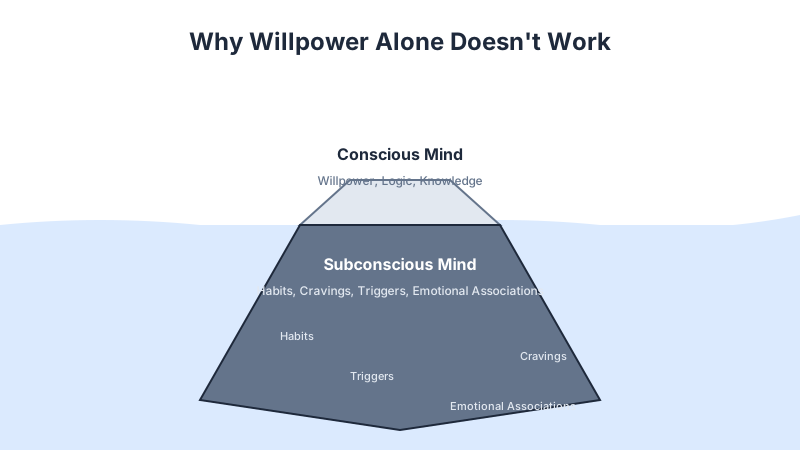
Smoking cessation through hypnotherapy is a therapeutic approach that uses guided relaxation and focused attention to access the subconscious mind, where smoking habits, nicotine associations, and self-sabotaging patterns are stored. Unlike traditional methods that rely on willpower alone, hypnotherapy addresses the psychological root causes of smoking – including stress-related urges, social triggers, and deeply ingrained beliefs about what smoking “does” for you.
Currently accepting 4 new weight loss clients per month
Next available: February 11th
At Miami Hypnotherapy Center, I've worked with many clients who've tried everything – cold turkey, gum, patches, vaping, even prescription drugs. They don't lack information about the dangers. They lack access to the part of their brain that actually controls their relationship with nicotine.
What This Guide Covers
- How hypnotherapy helps rewire your brain's response to nicotine
- What clinical research honestly shows about success rates (and why some claims are misleading)
- Why results vary so wildly between individuals and therapists
- What actually works – combining hypnotherapy with other evidence-based strategies
- Who hypnotherapy works best for (and who should consider other options)
- How to approach hypnotherapy for the best chance of success
What the Research Honestly Shows
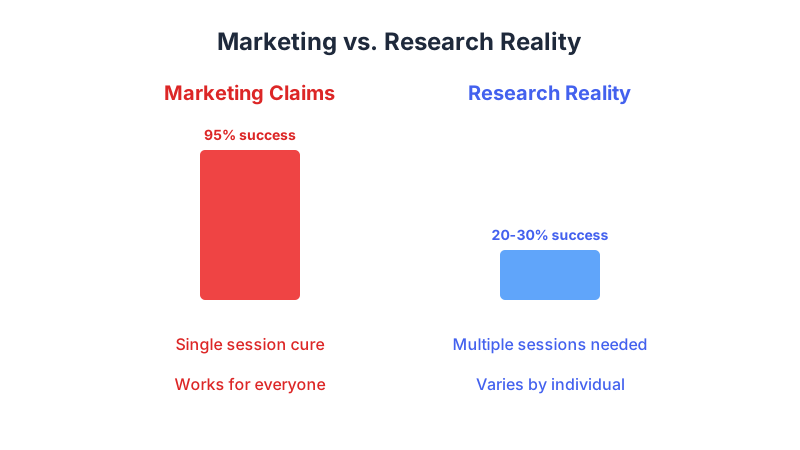
Alright, let's cut through the noise. If you search “hypnosis to quit smoking”, you'll be bombarded with promises of 95% success rates, often in a single session. As someone deeply committed to ethical practice and evidence, I have to call B.S. on that.
The truth is, research on hypnotherapy for smoking cessation is… mixed. And that's okay. We need to be honest about it.
One of the most comprehensive analyses, the Cochrane Review (2010), concluded there's “no evidence that hypnotherapy is more effective than other interventions or no treatment.” On the surface, that sounds damning. But dig a little deeper, and you'll find that many of the studies included in such reviews suffered from methodological flaws, such as:
- Varying depths of hypnosis achieved (some weren't truly hypnotized)
- Inexperienced therapists
- Single-session protocols for a complex addiction
- Lack of personalized suggestions
- No follow-up support
Realistic long-term success rates for hypnotherapy in smoking cessation, especially when combined with other methods.
Source: Multiple independent studies, post-Cochrane analyses
However, not all studies paint such a bleak picture. A well-known study by Spiegel et al. (1970) showed a 20% abstinence rate at 1-year follow-up for a single-session group, which was comparable to other common methods at the time. More recent meta-analyses looking at modern approaches (often combining hypnotherapy with CBT elements) show success rates in the 20-30% range, particularly for those highly motivated and receptive to hypnosis.
So, what's the takeaway? Hypnotherapy is not a magic bullet. But for the right person, and with the right approach, it can be a highly effective component of a comprehensive cessation strategy. It's not about replacing willpower, but about reprogramming the subconscious patterns that undermine it.
Misleading Claims vs. Reality
If you've seen ads promising “95% success rate in one session!”, you're looking at marketing, not science. Here's why these claims are almost always misleading:
The “Success Rate” Gimmick
Often, these numbers come from self-reported surveys conducted immediately after a session, or from clinics that only count clients who *initiate* the process, not those who *complete* it or *remain abstinent* long-term. A true success rate for smoking cessation needs to be measured at 6 months or 1 year, verified by external means (like biochemical tests), and compared against a control group. Very few of these “95%” claims meet that standard.
Furthermore, many clinics offer a “booster session” or “maintenance package” for an extra fee if you relapse. While follow-up is good, including these re-engagements in the “one session success” rate is disingenuous.
The “Magic Bullet” Fallacy
Addiction is complex. It involves physiological dependence, deeply ingrained habits, psychological triggers, and social conditioning. To suggest a single, one-hour session can reliably undo years of this complex programming for 95% of people is, frankly, irresponsible. While powerful, hypnotherapy is a tool, not a spell.
“Patients must be highly motivated to stop smoking, and hypnotherapy should be delivered by properly trained and experienced practitioners, as part of a comprehensive cessation programme.”
My philosophy, and what the better research suggests, is that hypnotherapy is most effective when it's part of a broader strategy, not a standalone “cure.”
Why Results Vary So Wildly
If hypnotherapy can work for some, why do studies show such mixed results, and why do personal accounts range from “it changed my life” to “it did nothing”? Several factors are at play:
1. Individual Hypnotizability and Receptivity
People vary in their ability to enter a hypnotic state. While most can be hypnotized to some degree (around 85%), those who are highly hypnotizable often experience more profound and rapid changes. This isn't a sign of weakness; it's a natural neurological variation.
What the Research Shows About Hypnotizability
85% of people respond well to hypnotherapy. The other 15%? We figure that out in the first session – no wasted time or money.
2. Therapist Skill and Approach
Just like any profession, hypnotherapists vary widely in their training, experience, and technique. A practitioner using generic scripts with no understanding of underlying psychology is unlikely to be as effective as one who can tailor suggestions, address emotional triggers, and adapt to the client's unique needs.
3. Client Motivation and Commitment
Hypnotherapy isn't something “done to you.” It requires active participation. Clients who are genuinely ready to quit, willing to engage with the process, and practice self-hypnosis between sessions typically see the best results. If you're being pressured to quit by others, or have only a lukewarm desire, success will be harder to achieve.
4. Addressing Underlying Issues
For many, smoking is a coping mechanism for stress, anxiety, boredom, or trauma. If these underlying issues aren't addressed, simply removing the smoking habit can lead to another coping mechanism taking its place. Effective hypnotherapy integrates approaches that help resolve these deeper emotional patterns.
Who Benefits Most from Hypnotherapy for Smoking Cessation?
Hypnotherapy is particularly suited for individuals who:
The Ideal Candidates
If any of these resonate, you're likely a good fit:
Who Might Need Something Different
If after 30 days you don't notice a genuine shift in your relationship with nicotine — even a small one — I'll refund everything. No awkward conversation. No guilt. Just a refund.
See Your Options →What Actually Works (Evidence-Based Approaches)
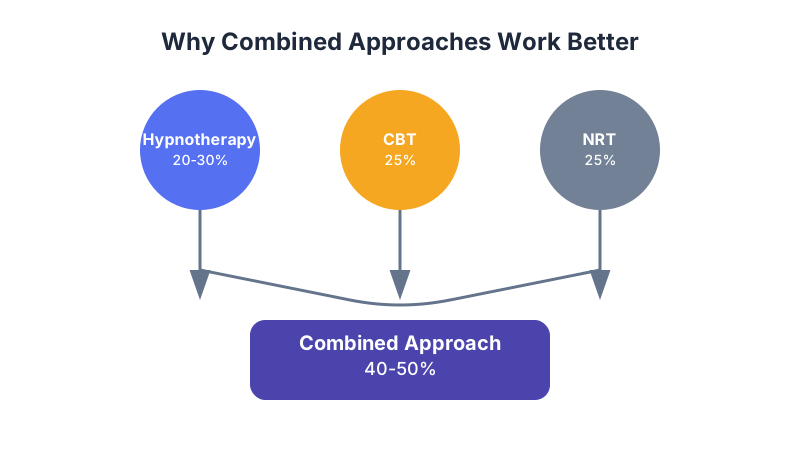
Given the mixed evidence for hypnotherapy as a standalone treatment, what does the research say works best for smoking cessation? The answer, consistently, is a multi-faceted approach. Hypnotherapy shines when integrated thoughtfully into a broader strategy.
1. Combination Therapy
Studies suggest that combining hypnotherapy with other evidence-based methods significantly increases success rates. This can include:
- Cognitive Behavioral Therapy (CBT): Addresses thought patterns and behaviors related to smoking.
- Nicotine Replacement Therapy (NRT): Patches, gum, lozenges help manage physical cravings.
- Support Groups: Peer support provides accountability and shared experience.
- Medication: Prescription drugs like Varenicline (Champix/Chantix) or Bupropion (Zyban) can reduce cravings and withdrawal symptoms.
Hypnotherapy, in this context, helps to reinforce the conscious decisions made through CBT or NRT, working at the subconscious level to reduce the appeal of smoking and strengthen the commitment to a smoke-free life.
2. Addressing Emotional and Psychological Triggers
Many people smoke not just for the nicotine, but to cope with stress, anxiety, boredom, or loneliness. Hypnotherapy is particularly adept at identifying and reprogramming these emotional triggers. By creating new, healthier subconscious associations, it can help you break the cycle of reaching for a cigarette when emotions arise.
3. Personalized Treatment Plans
One-size-fits-all approaches rarely work for addiction. An effective smoking cessation program, whether it includes hypnotherapy or not, should be personalized to your smoking history, triggers, and individual psychological profile. This is where a skilled hypnotherapist can make a significant difference, tailoring suggestions and techniques to your unique situation.
If You're Considering Hypnotherapy for Smoking Cessation
So, you've read the honest assessment, and you're still curious. Good. That means you're likely motivated and pragmatic, which are excellent qualities for successful hypnotherapy clients. Here's what you should know when taking the next step:
How Many Sessions Will You Need?
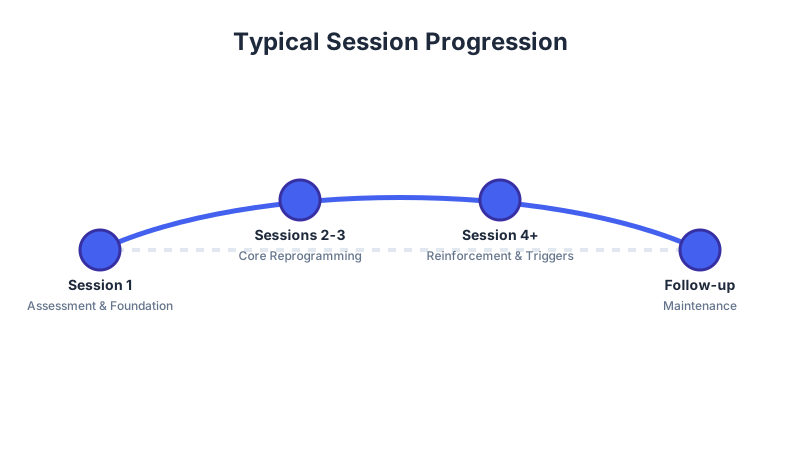
Forget the “one session miracle”. While some people do quit after a single session, it's rare for lasting, ingrained habits like smoking. Most clients benefit from a series of sessions that build on each other.
- Initial Phase (2-4 sessions): Focuses on breaking the immediate craving cycle and addressing primary triggers.
- Consolidation Phase (4-6 sessions): Deepens the subconscious programming, reinforces new habits, and addresses any secondary triggers or emotional dependencies.
- Maintenance (optional booster sessions): For some, an occasional booster session can be helpful, especially during periods of high stress or risk of relapse.
Think of it as training your subconscious. You wouldn't expect to get fit after one gym session; lasting change takes consistent effort and reinforcement.
Choosing Your Hypnotherapist
This is critical. Look for a practitioner who:
- Is transparent about success rates: Avoid anyone promising guaranteed or excessively high success rates.
- Emphasizes a multi-session approach: Realistically, one session is often not enough for deep-seated addictions.
- Combines hypnotherapy with other strategies: A holistic approach that includes behavioral techniques or life coaching is often more effective.
- Offers personalized sessions: Generic scripts are less effective than tailored suggestions that address your specific triggers and motivations.
- Provides support between sessions: Self-hypnosis audios or exercises are vital for reinforcement.
Ready to make a serious change?
Explore how a personalized approach can help you finally quit for good.
See Your Options →Why I'm Telling You This (An Honest Assessment)
Most practitioners in my field would never be this open about the limitations of hypnotherapy or challenge the common marketing claims. Why am I doing it? Because my approach, frankly, is different.
The David Doyle Difference: Data-Driven Honesty
Before I became a clinical hypnotherapist, I spent over a decade as a fraud examiner for Fortune 100 companies. My job was to cut through deception, find the facts, and expose misrepresentations. I bring that same ruthlessly analytical mindset to hypnotherapy.
I believe in honesty. I believe in evidence. And I believe that you, as a client, deserve to know the unvarnished truth about what hypnotherapy can and cannot do. Selling you a “magic cure” would be a disservice, and it's simply not how lasting change works.
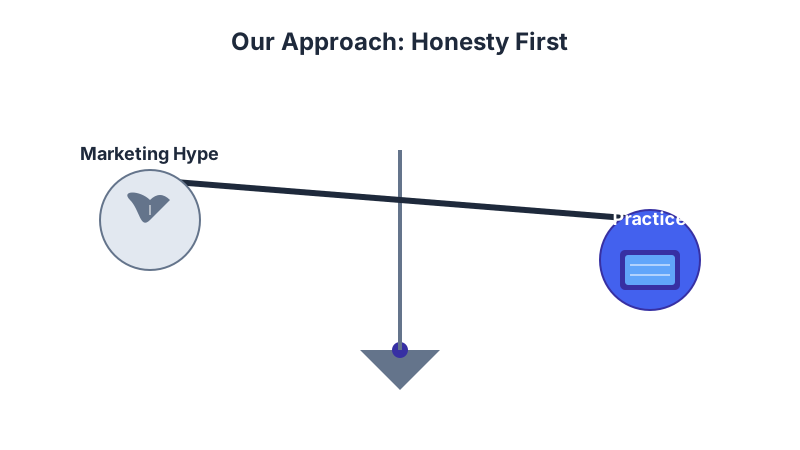
My goal isn't to get you into a single, expensive session based on inflated promises. My goal is to equip you with the tools and subconscious reprogramming necessary for *actual, lasting* smoking cessation. That means setting realistic expectations, providing evidence-based strategies, and working with you over a period that allows for deep, sustainable change.
If being told the honest truth, even if it's less glamorous than a “95% success rate”, resonates with you, then we might be a good fit. I'm looking for clients who are serious about quitting, not just looking for a quick fix.
Frequently Asked Questions
Does hypnotherapy actually help quit smoking?
Yes, for many, it can be a highly effective component of a comprehensive cessation strategy, especially for addressing psychological triggers and cravings at a subconscious level. Realistic success rates are around 20-30% long-term.
How many sessions do I need to quit smoking?
While some attempt a single session, lasting change typically requires 4-6 sessions to address underlying patterns and reinforce new behaviors. Optimal results often come from 6-8 sessions over a few months.
Can hypnotherapy help with nicotine cravings and withdrawal?
Yes, hypnotherapy can significantly help manage cravings and reduce the intensity of withdrawal symptoms by changing your subconscious response to nicotine and associated triggers.
Is hypnotherapy safe for quitting smoking?
Yes. Hypnotherapy is non-invasive with no known negative side effects. You remain fully aware and in control throughout every session, unable to be made to do anything against your will.
What does hypnotherapy for smoking cessation cost?
Costs vary depending on the practitioner and program. Expect full 1:1 programs for dedicated smoking cessation to start at $1,800+ for personalized sessions, typically over several weeks. Single sessions are generally not recommended for lasting results.
Will I be asleep or lose control during hypnosis?
No. Hypnosis is a state of focused attention and deep relaxation, not unconsciousness or sleep. You remain fully aware, can hear everything, and are in control at all times.
Key Takeaways for Quitting Smoking
Based on current research, including Cochrane Review and subsequent analysesReady to Finally Be Free from Smoking?
You've probably tried to quit before, relying on willpower alone. The gum, the patches, the vapes, the cold turkey – and the frustration when you eventually start again.
Here's the thing – if you keep fighting the same battle with the same 5% of your mind, you'll likely keep getting the same results.
Maybe it's time to recruit the 95% that's been driving your habit all along.
You deserve to breathe free and live a life without the constant pull of nicotine.
— Danny
Ready to Work Together?
- Three ways to get started (see options below)
- From self-paced audio ($220) to full 1:1 programs
- Choose what fits your needs and budget
- 100% virtual sessions from anywhere
📅 Currently accepting a limited number of new smoking cessation clients per month
Investment & Options
Choose the path that fits your needs
Cost Per Session Comparison
~$300/session for 6 personalized sessions
- 6-8 personalized sessions
- Custom to your triggers
- Direct support throughout
Best for complex cases or trauma-related eating
ApplyJust $37/session — same content, 10x less cost
- 6 full sessions (same content as 1:1)
- Self-paced, repeat anytime
- Lifetime access forever
30-day satisfaction guarantee. Not for you? Full refund.
$350 for one 45-min session
- One 45-min session
- No program structure
Just want to see what it's like
Inquire via Email
David Doyle
Probably the only credentialed fraud examiner for Fortune 100 companies turned Clinical Hypnotherapist on the planet. After 10+ years investigating high-profile corporate deception, Danny now applies that same ruthlessly analytical mindset to something more rewarding: helping people stop deceiving themselves. He specializes in anxiety, gut issues, and pain reduction, bringing a data-driven approach to a field that desperately needs it. When he's not helping clients rewire their subconscious, you'll find him at comedy improv. Reading people is a skill that works both ways.
Last updated: January 2026
Sources & References
- •Barnes, J., et al. (2010). Hypnotherapy for smoking cessation. Cochrane Database of Systematic Reviews. Cochrane Library
- •Spiegel, H., et al. (1970). A controlled study of the use of hypnosis in the treatment of smoking. Journal of the American Medical Association. PubMed
- •Elkins, G. R., & Rajab, H. M. (2004). Clinical hypnosis for smoking cessation: preliminary results of a three-session intervention. International Journal of Clinical and Experimental Hypnosis. PubMed
- •Green, J. P., & Lynn, S. J. (2000). Hypnosis and suggestion-based approaches to smoking cessation. Journal of Clinical Psychology. PubMed